Entrepreneurship and Productivity: How to slow down to better succeed
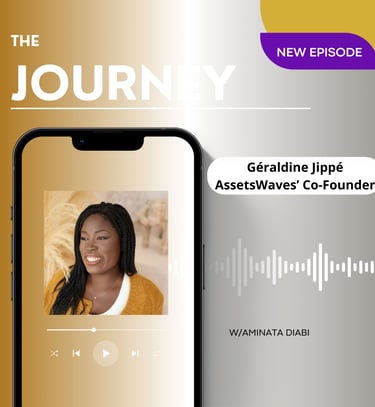
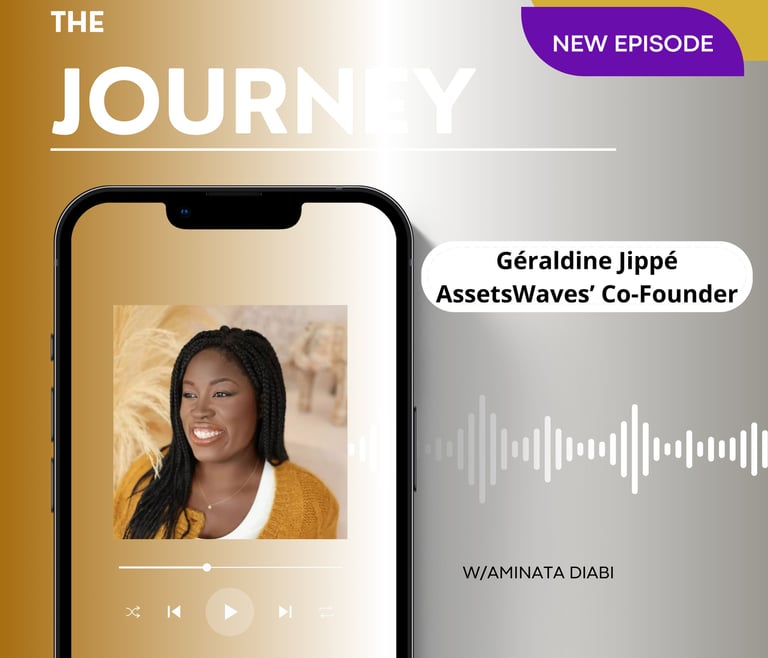
Explore slowpreneurship with Géraldine Jippé and her method of intentional slowing down. Listen to this episode to discover how working less can amplify your impact, improve your well-being, and sustainably transform your business.
10/21/20252 min read
Do you feel like you're doing everything you need to grow your business, yet not getting the impact you deserve?
There's a different approach you may not have considered. It challenges the conventional wisdom of constant hustle and the endless pursuit of more: slowpreneurship.
Key Points
"Slowpreneurship" isn't about laziness, but about intentional leadership that prioritizes sustainable growth and impact over constant hustle.
Challenges—particularly for women and diverse founders, such as access to funding and imposter syndrome—can be overcome by building self-confidence and finding a supportive community.
The transition to a slower pace is often triggered by personal challenges, such as health issues, that force a reevaluation of our working methods.
Slowing down encourages asking the right questions about the sustainability of your lifestyle, establishing rituals, and consciously disconnecting from technology to reconnect with yourself.
Adopting a more authentic and less "masculine" approach to business, using tools like sound healing, can lead to better decisions and greater fulfillment.
The Importance of Slowing Down: What is Slowpreneurship?
In the fast-paced world of entrepreneurship, the norm is to work relentlessly. However, a growing movement of "slowpreneurs" is challenging this assumption. It's not about working less, but about working smarter, with more intention and impact.
Slowpreneurship is an approach that involves aligning your business with your personal values, prioritizing well-being, and creating positive, sustainable impact—far from burnout.
This philosophy is gaining ground as more leaders realize that success isn't measured solely in revenue, but also in quality of life and legacy. It's a direct response to hustle culture, which has glorified overwork at the expense of mental and physical health.
Géraldine Jippé's Journey:
A Case Study and Methodology of Intentional Slowness
----Listen to the episode here
FAQ
1. How does slowpreneurship differ from traditional entrepreneurship?
Traditional entrepreneurship often values rapid growth and high activity volume. Slowpreneurship, on the other hand, emphasizes intentionality, sustainability, personal well-being, and social or environmental impact, seeking more balanced growth aligned with the entrepreneur's core values.
2. What are the first concrete steps to adopt a slowpreneur approach?
Start by identifying the activities that drain you most and those that energize you. Incorporate moments of digital disconnection, practice mindfulness, and learn to delegate or say no to opportunities that don't align with your vision. The key is building rituals that support your energy and mental clarity.
3. Is slowpreneurship reserved for certain types of businesses or industries?
No, slowpreneurship is a philosophy that can be applied to any type of business, regardless of industry or size. It's more of a mindset and management approach that prioritizes quality, reflection, and long-term impact, rather than a frantic race for immediate results. It can be integrated into tech startups as well as traditional service or product businesses.
Conclusion
Géraldine Jippé's journey from hustle culture to slowpreneurship is a powerful lesson for all leaders. It reminds us that true success doesn't lie in exhaustion, but in the ability to lead with intention, cultivate well-being, and create meaningful impact.
By adopting a slower, more conscious approach, we can not only build healthier businesses, but also richer, more fulfilling lives.
Embracing the principles of slowpreneurship can transform the way you work and live. It's not a magic solution, but an ongoing journey of learning and adaptation. Ultimately, it's an investment in your most valuable asset: yourself.